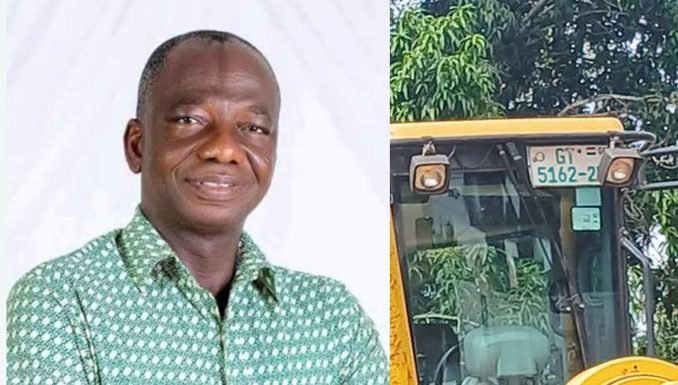
Ghana’s criminal justice system is under fire again as yet another case of wrongful imprisonment exposes the disturbing flaws in the country’s legal regime. The recent acquittal of 48-year-old drinking bar owner, Yaw Appiah, after serving 19 harrowing years in Nsawam Prison for a crime he did not commit, is a damning indictment of a system that seems to prioritise convenience over justice.
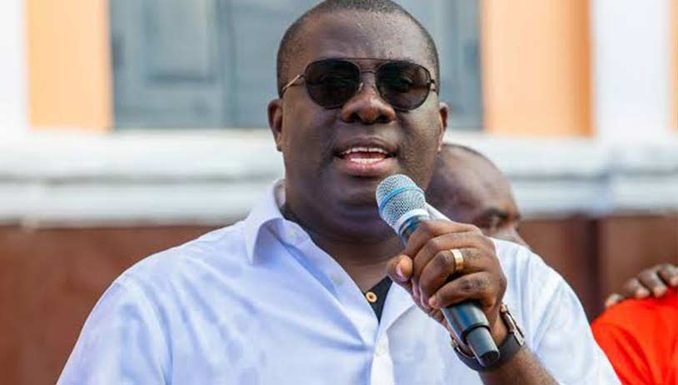
This latest scandal comes on the heels of the high-profile Gregory Afoko case, where a man spent nearly a decade on remand, only to be denied bail and rearrested despite undergoing the full trial process. These cases highlight a chilling reality: the presumption of innocence in Ghana is a mere illusion, and the wheels of justice turn painfully slow—if they turn at all.
19 Years Stolen: A Systemic Failure
In 2006, Appiah was arrested, thrown into remand for five years, and later convicted in 2011 for robbery—a crime he always maintained he did not commit. It took a panel of the Court of Appeal, led by Justice Gbiel S. Suurbaareh, to finally overturn his conviction in 2025, describing his ordeal as a “tragedy.”
Shocking details from the ruling exposed how the original trial judge wrongly recorded that Appiah had pleaded guilty, when in fact, he had vehemently denied the charges. The judge also misrepresented evidence, citing witness testimonies that never actually identified Appiah as a suspect. A complete miscarriage of justice.
The only lifeline in Appiah’s fight for freedom came when lawyer Claudia Coleman took up his case, proving beyond doubt that the state had failed in its duty to ensure a fair trial.
Yet, what happens now? Who takes responsibility for nearly two decades of lost time, for the stolen years, for the suffering inflicted on an innocent man? The state remains silent. No compensation. No apologies. Just another victim of a justice system that continues to fail its citizens.
Gregory Afoko: A Never-Ending Nightmare
If Appiah’s case highlights the horrors of wrongful conviction, Gregory Afoko’s ordeal illustrates the cruel and arbitrary nature of prolonged detention without justice. Accused in 2015 of involvement in the murder of the late Adams Mahama, Afoko spent years behind bars without a verdict. His right to bail was continuously denied, and after enduring a full trial, he was inexplicably rearrested instead of being freed.
This case epitomises the deep-rooted flaws in Ghana’s criminal justice system: the reckless disregard for due process, the ease with which individuals are thrown into indefinite detention, and the judiciary’s failure to safeguard fundamental rights.
The Legal Black Hole Swallowing Innocent Lives
Appiah and Afoko are not isolated cases. Ghana’s prisons are filled with individuals who have been left to rot behind bars for years—some awaiting trial, others victims of wrongful convictions.
Recent reports have revealed that over 30% of inmates in Ghana’s prisons are pretrial detainees, many held far longer than legally permissible. The denial of bail in politically sensitive cases, the lack of legal aid for the poor, and the sheer inefficiency of the judicial system have created a justice regime that punishes before proving guilt.
Even when wrongful convictions are overturned, the state offers no meaningful redress. Victims like Appiah are simply released into a world that has moved on without them, expected to pick up the pieces of shattered lives, with no accountability from those responsible for their suffering.
Enough is Enough! Reform Now
Ghana cannot continue to ignore these systemic failures. The government must:
• Reform remand policies to prevent prolonged pretrial detention.
• Enforce judicial accountability to ensure fair trials and prevent wrongful convictions.
• Compensate victims of judicial errors and wrongful imprisonment.
• Improve access to legal aid for those who cannot afford proper representation.
The fundamental principle of justice is simple: no one should suffer for a crime they did not commit. Yet, time and again, Ghana’s broken system continues to devour innocent lives, eroding trust in the rule of law.
How many more must be wrongfully imprisoned, and how many more years must be stolen, before Ghana wakes up to the reality that its criminal justice system is in dire need of reform?