- President wants local crude paid for in cedis, not dollars
President John Dramani Mahama has directed Energy Minister John Jinapor to review the legal framework requiring Ghanaian refineries to pay for domestically produced crude oil in US dollars.
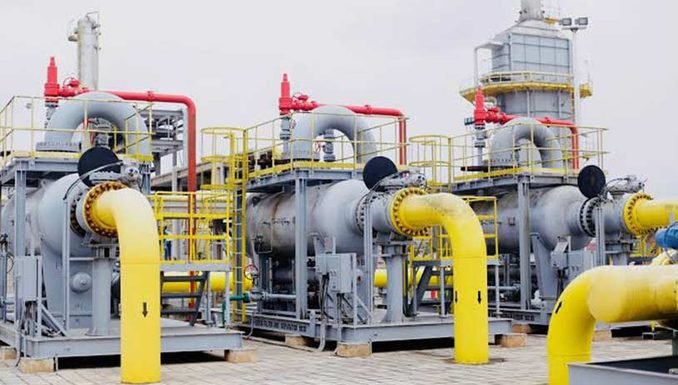
Ghana produces crude oil locally, yet refineries such as the Tema Oil Refinery (TOR) sell refined petroleum products on the domestic market in cedis. President Mahama believes forcing local refineries to first obtain dollars to pay for Ghanaian crude puts unnecessary pressure on the cedi and increases transaction costs.
The President issued the directive on Sunday, August 2, during a meeting attended by the Governor of the Bank of Ghana and the Finance Minister.
Mr Jinapor subsequently explained that the Petroleum Holding Fund legislation and the Petroleum Revenue Management Act currently require payments for crude oil to be made in foreign currency.
President Mahama questioned the rationale for the arrangement.
“When TOR takes the crude, refines it and sells the products in cedis, why shouldn’t it pay in cedis instead of going to buy dollars?”
The Governor of the Bank of Ghana endorsed the proposal, arguing that requiring local refineries to purchase dollars to pay for crude produced domestically puts unnecessary pressure on the local currency and adds transaction costs.
The authorities are consequently expected to meet to explore possible alternatives to the current payment system.
Legal and commercial hurdles
The proposed change, however, faces both legal and commercial hurdles.
The existing legal framework would have to be reviewed, with possible amendments to the Petroleum Revenue Management Act before an alternative payment mechanism can be introduced.
The Ministry of Energy is also expected to assess the legal and fiscal implications of any proposed change.
Existing commercial contracts could pose another challenge.
Crude oil is internationally priced and traded in US dollars, while producers operating in Ghana, including those in the Jubilee field, invoice their share of production in dollars.
The government will therefore have to determine how a cedi-based payment system could operate without breaching existing contractual obligations.
TOR expansion
The proposal comes as the government prepares to expand TOR’s refining capacity from its current 45,000 barrels per day to 100,000 barrels per day.
President Mahama has also pledged to restructure the refinery and insulate it from political interference.
Since May, TOR has received three one-million-barrel cargoes of Bonga, Baleine and Jubilee crude, of which two million barrels have already been processed.
The government is also looking beyond TOR.
Once planned expansion projects at TOR and Sentuo are completed, the two refineries are expected to meet about 70 percent of Ghana’s domestic demand for refined petroleum products, Mr Jinapor said at the Ghana International Petroleum Conference 2026 in July.
The proposed cedi payment mechanism is also being considered against the backdrop of pressure on Ghana’s foreign exchange market.
Demand for US dollars from the energy sector, particularly for crude oil imports and power generation, has remained a major source of pressure on the cedi.
The Bank of Ghana injected $2.01 billion into the foreign exchange market in June to support the cedi, according to JoyBusiness, amid continued demand for dollars.
The government hopes that reducing unnecessary dollar transactions linked to domestically produced crude could ease some of that pressure while lowering costs for local refineries.