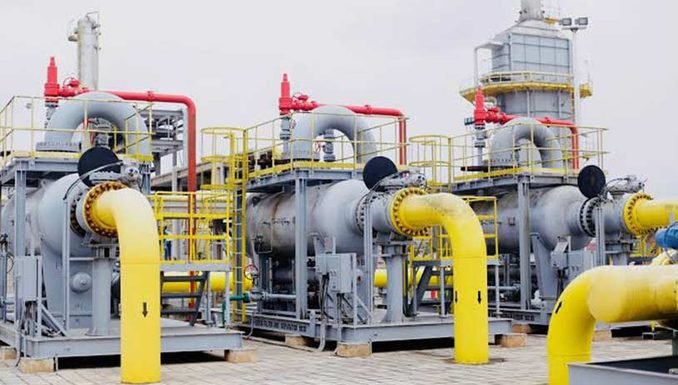
Sentuo Oil Refinery, one of Ghana’s newest downstream petroleum players, is facing scrutiny over its reported production volumes after a review of publicly available data from the Bank of Ghana revealed no record of crude oil imports linked to the company as of 12 February 2026. Bank of Ghana revealed no record of crude oil imports linked to the company as of 12 February 2026.
On its official website, the refinery claims substantial output, stating it has processed 5,000,000 tonnes of crude oil, produced 3,200,000 tonnes of refined white products, and manufactured 200,000 tonnes of lubricants and naphtha, alongside 400,000 tonnes of polypropylene and sulphur.
Yet, Bank of Ghana import data, which tracks foreign exchange transactions and trade flows, does not show any crude oil imports under Sentuo’s name up to the reported date. The apparent absence of recorded imports has raised questions, given that crude oil feedstock must typically be sourced internationally and financed through transactions captured in central bank reporting systems.
Analysts say the figures prompt straightforward but serious questions: if Sentuo has indeed refined millions of tonnes of crude, from where did the feedstock originate, and through which channels was it financed and cleared?
In Ghana, crude oil imports and related foreign exchange transactions are usually reflected in central bank trade statistics, either directly under a company’s name or via designated intermediaries. While some transactions may be structured through trading partners or third-party arrangements, such deals ordinarily leave a trace in aggregate trade data.
Industry experts caution that the absence of entries on the Bank of Ghana’s website does not automatically imply that imports did not occur. There may be reporting delays, classification issues, or imports booked under different entities. However, they note that production claims of the magnitude cited would normally correspond to substantial import volumes over a sustained period.
If independently verified, Sentuo’s reported throughput would place it among the region’s more active refining facilities. Processing five million tonnes of crude oil requires significant operational capacity, including consistent supply chains, storage infrastructure, and logistics management.
The scrutiny comes as Ghana’s downstream petroleum sector faces heightened attention from policymakers and regulators, who have emphasised transparency, local value addition, and the reduction of refined fuel imports. Any apparent discrepancy between claimed production volumes and publicly available trade data is likely to attract interest from both regulators and industry stakeholders.
As of the Bank of Ghana’s reporting date, Sentuo Oil Refinery had not publicly addressed the apparent gap. The key issue now is whether the discrepancy is due to reporting timing and classification or if it signals a deeper inconsistency between claimed production and documented imports. For a sector that relies heavily on regulatory oversight and investor confidence, clarity will be critical.